

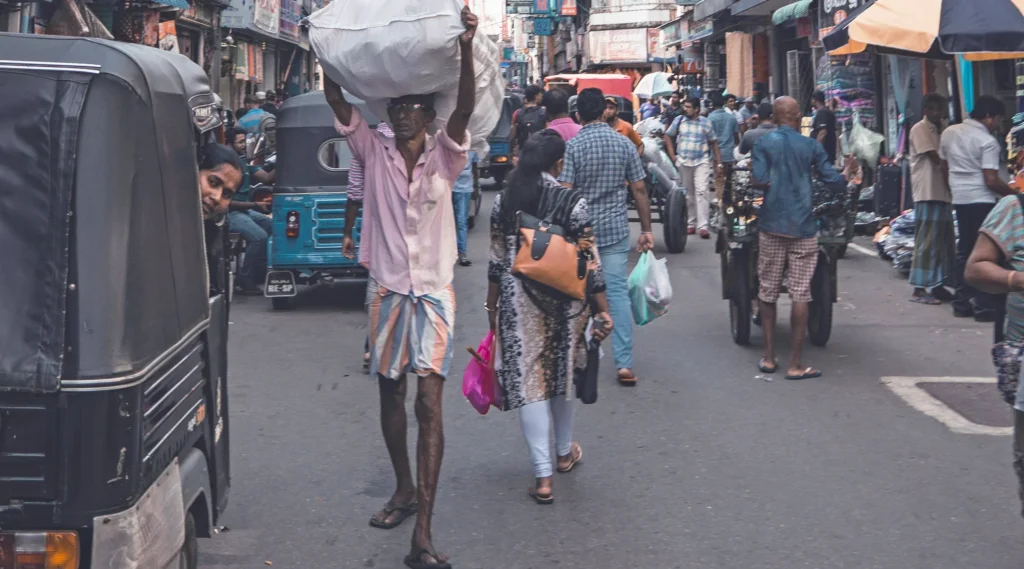
CTBI has been supporting a project with the National Christian Council of Sri Lanka (NCCSL) entitled The Reconciled Land: A Theology of Land at the Nexus of God, People and the Environment. It aims to build on the historic links between churches in Sri Lanka and those in Britain and Ireland, helping both CTBI and NCCSL to widen the perspectives that shape and inform their work. The project has a particular focus on deepening the theological reflection that shapes and inspires the churches’ work for peace and healing of relationships in both contexts, drawing on social analysis and action learning generated by the community-based dialogues facilitated by NCCSL around issues of land and belonging.
Our partners in the NCCSL have recently issued Guidelines for Voting in Parliamentary Elections with the following statement:
The National Christian Council of Sri Lanka (NCCSL) welcomes the relatively free, fair and peaceful presidential elections in September 2024. NCCSL also welcomes the smooth transition of power and the post-election environment devoid of reprisals and violence.
As we approach parliamentary elections, NCCSL strongly encourages all those eligible to vote in the upcoming parliamentary elections. The NCCSL considers voting as a spiritual-political act, which is an opportunity for voters to exercise their rights to choose their leaders, express solidarity with marginalized and vulnerable groups and contribute towards a better country for all. All voters should consider the commitment of political parties, independent groups and individual candidates to these ideals including bringing realistic laws, policies and practices that will bring “good news to the poor and oppressed” and ensure “life in its fullness for all.”
Law-making is a major task of Parliament. This includes the drafting and approval of a new constitution, abolishing unjust and repressive laws such as the Prevention of Terrorism Act (PTA) and Online Safety Act (OSA), amending existing laws such as the International Covenant on Civil and Political Rights Act (ICCPR Act) and enacting new laws. Another major task of the Parliament is the approval of the budget. Members of Parliament must be competent to perform these functions.
NCCSL considers it important to have a stable government with a working majority but also believes that excessive powers granted by a 2/3rd or 5/6th majority in parliament as in the past, could undermine democratic governance. NCCSL recognizes the importance of a strong, principled, competent and pluralistic opposition as vital to democratic governance.
NCCSL welcomes the opportunities this has created for younger, more competent and principled candidates to come forward to contest parliamentary elections and urges voters to consider both experienced and young candidates. NCCSL also believes that it is important to increase the number of women MPs in the legislature as international experience demonstrates that their presence and participation enhance the quality of legislatures in numerous ways.
Given below is a framework that may serve as a guide as one deliberates on whom to vote. It seeks to highlight some areas of concern and importance.
- Positions, policies and plans on key concerns – past, present and future
- Enactment of a new constitution – including abolishing the executive presidency, power sharing within a framework of a united country (not unitary) which will address ethnic conflict, independence of judiciary and rule of law etc.
- Reforms to the office of the Attorney General, police reforms, and restricting the involvement of the military in civilian activities.
- Measures to promote greater women’s representation in democratic institutions and decision-making.
- Addressing the economic crisis – including debt restructuring/cancellation, sustainable development, just wages for all ensuring the right to memorialization for all, addressing land disputes amongst communities and between communities and state agencies.
- Addressing past crimes and human rights violations – including wartime atrocities, the Easter Sunday attacks, economic crimes, enforced disappearances, extrajudicial executions, prison massacres, crimes against media personnel and journalists and those who have suffered when exercising their democratic right to dissent.
- The rights of marginalized and those subjected to historical discrimination – the Malaiyaha community, workers in formal and informal sectors, farmers, fisherfolk, those with different gender identities and sexual orientation, children, persons with disability, indigenous peoples etc.
- Protection and nurturing of the environment and addressing climate change.
- Foreign relations – position on resolution at the UN Human Rights Council on Sri Lanka, refugees and asylum seekers coming to Sri Lanka, positions on global concerns such as Palestine etc.
- Involvement in human rights violations, racism, corruption, violations of the constitution etc.
- Whether the candidates have been found responsible by courts or any other credible authorities (E.g. Human Rights Commission) for any criminal offences or human rights violations.
- Whether there are pending investigations and court cases against the candidates for any criminal offences, corruption or human rights violations
- Whether there are other credible allegations and information against candidates about their involvement in undermining the constitution or democratic institutions and norms.
- Involvement or credible allegations against candidates for racism, hate speech etc.
- Degree of respect and adherence to the letter and spirit of election laws by candidates.
- Past experiences of holding political office and record of candidates
- Performance of candidates when elected as people’s representatives.
- Performance of candidates when dealing with civil society.
- Transparency of candidates about their personal wealth, especially through asset declarations.
- Commitment of political parties to not allow losing candidates to come into parliament through a “national list”.
- Commitment of political parties and candidates to not engage in ugly fights for preferential votes
Voting procedure
- All citizens who are eligible to vote and may have any doubts about the possibility of casting their votes should contact relevant officials or seek guidance well in advance.
- All voters are encouraged to select the political party / independent group they prefer and then indicate their 1st, 2nd 3rd preference of candidates.
- All voters are encouraged to cast their votes as early as possible on the day of elections.
Conclusion
The Sri Lankan constitution recognizes that “Sovereignty lies in the People and is inalienable” and that “Sovereignty includes the powers of government, fundamental rights and the franchise”. The NCCSL calls on all Sri Lankans to exercise their civic duty and exercise their franchise with responsibility.
2024-11-01
Signed:
- Rt. Rev. Nishantha Fernando – Chairperson of the NCCSL, Bishop of Kurunagala – Church of Ceylon,
- Rt. Rev. Dushantha Rodrigo – Bishop of Colombo – Church of Ceylon,
- Rt. Rev. Dr. V. Pathmathayalan – Bishop of Jaffna Diocese – The Church of South India ( C.S.I ),
- Rev. Kingsley Weerasinghe – President of Methodist Church of Sri Lanka,
Associate Pastor Lakmal Wijeratne – President of Christian Reformed Church, - Rev. Wilee Ranasinghe – President of Sri Lanka Baptist Sangamaya
- Rev. Saman Perera – Moderator, Presbytery of Sri Lanka,
- Col. Nihal Hettiarachchi – Territorial Commander of the Salvation Army Sri Lanka,
- Rev. Harim Peiris – Acting President of Foursquare Gospel Church,
- Rev. Dr. Chrisso Handy – Superintendent/Chair – Assemblies of God
Back to The Bible Broadcast, The Ceylon Bible Society, Christian Literature Society, Student Christian Movement, Young Men’s Christian Association, Young Women’s Christian Association, Theological College of Lanka, Colombo Theological Seminary and Youth for Christ, - Rev. Sujithar Sivanayagam – General Secretary of the NCCSL.
It is a privilege for CTBI to support and encourage this vital work of the NCCSL in Sri Lanka. Please support this work in prayer at this critical time for the whole of Sri Lankan society, and for marginalised communities in particular.
The Conference of European Churches is seeking a Programme Officer, for its Dialogue and Advocacy programme area.
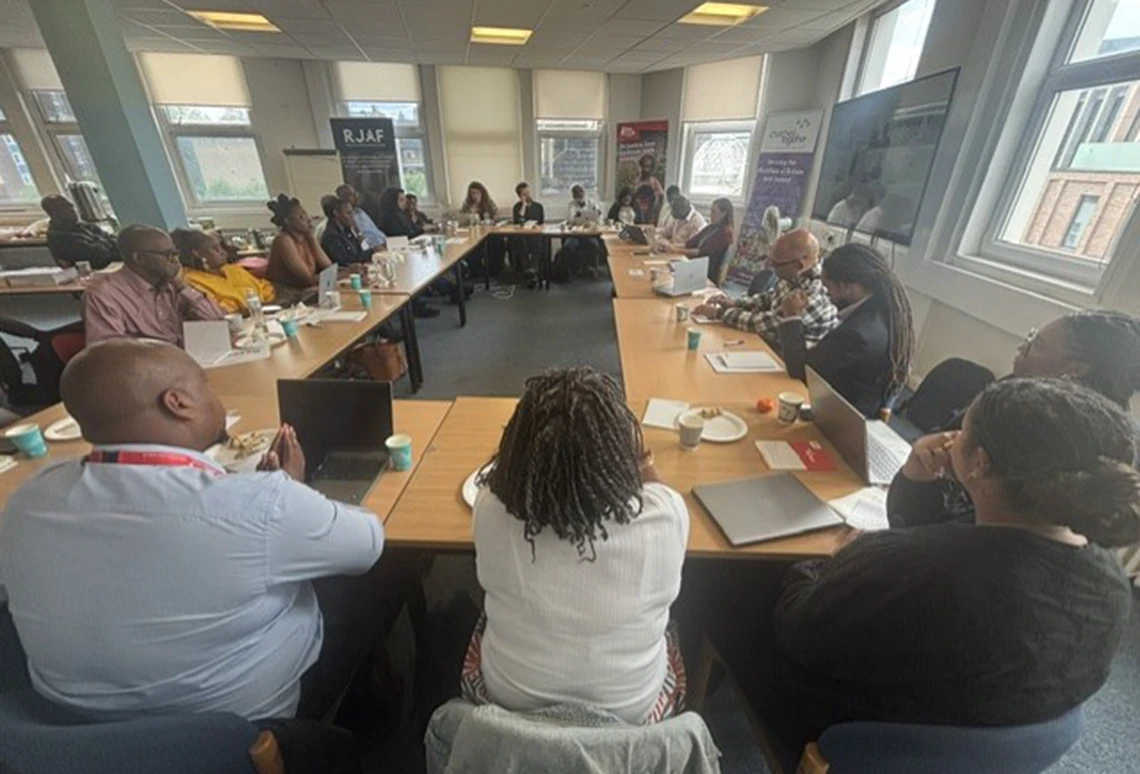
Report of the visit of the Jamaican delegation to Britain to make the case for reparations.
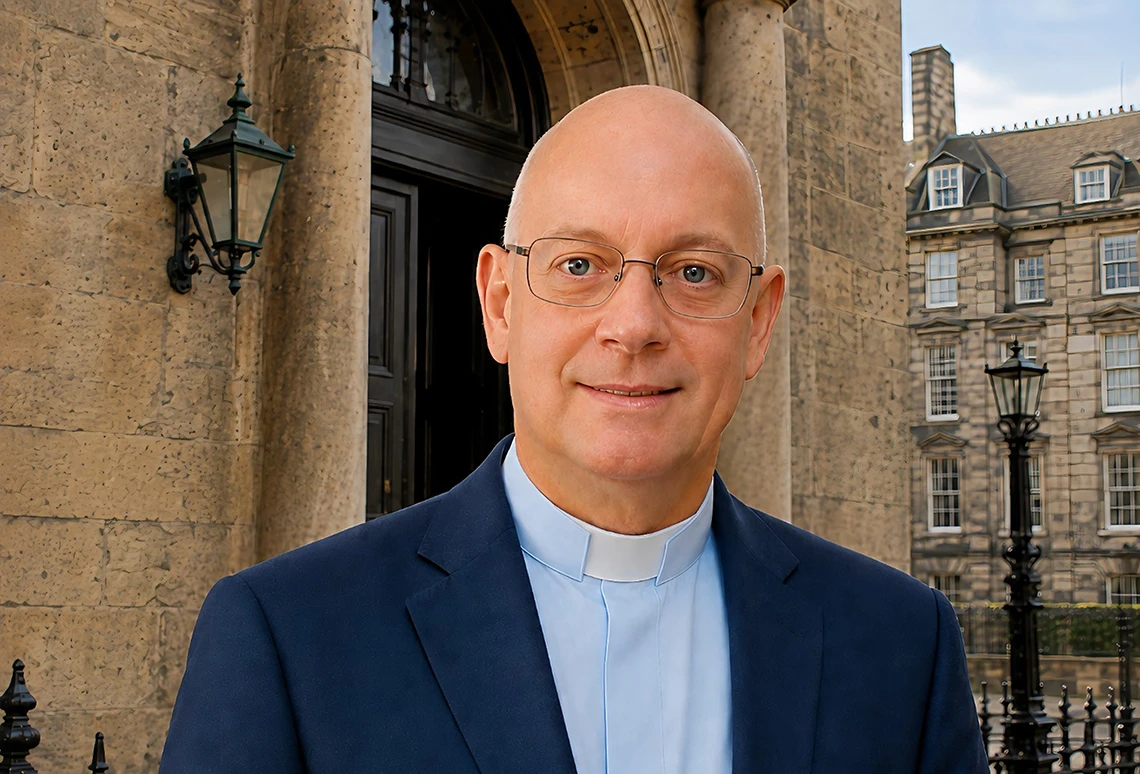
Churches Together in Britain and Ireland (CTBI) is pleased to announce the Revd Dr Adrian Burdon as the new Moderator of its Board of Trustees.
London District of the Methodist Church is seeking a Bloomsbury Student Community Pioneer.